
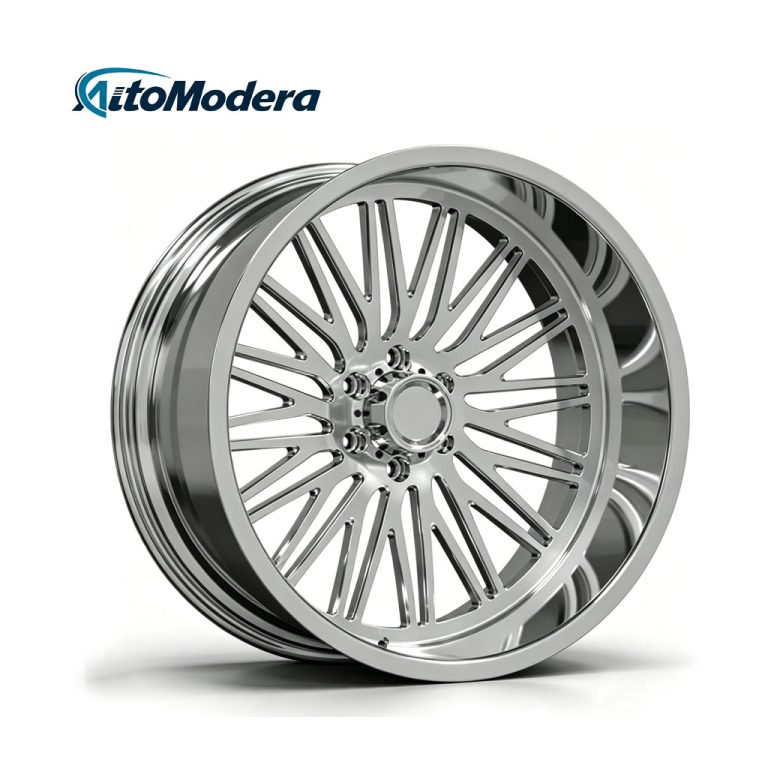
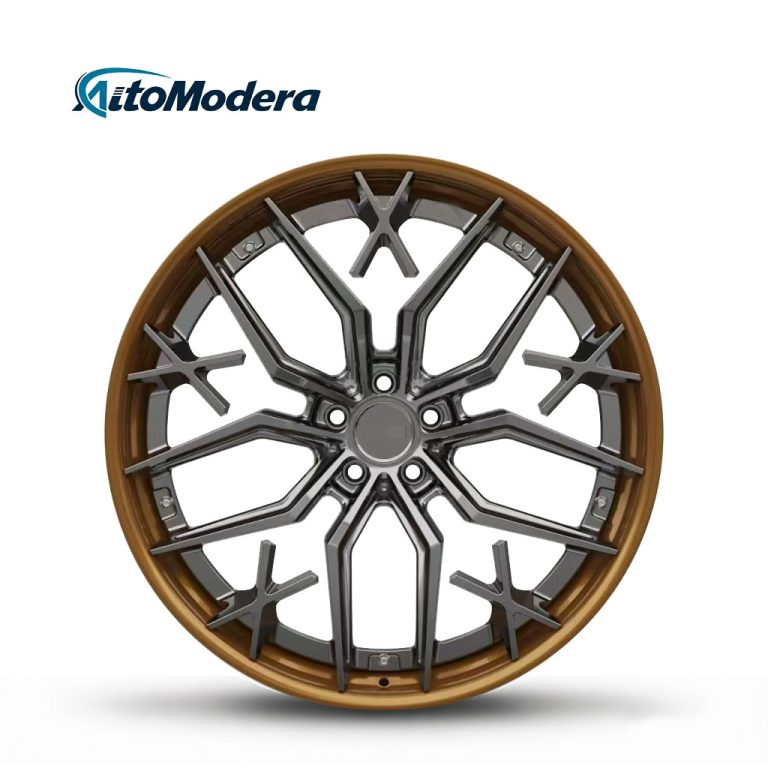
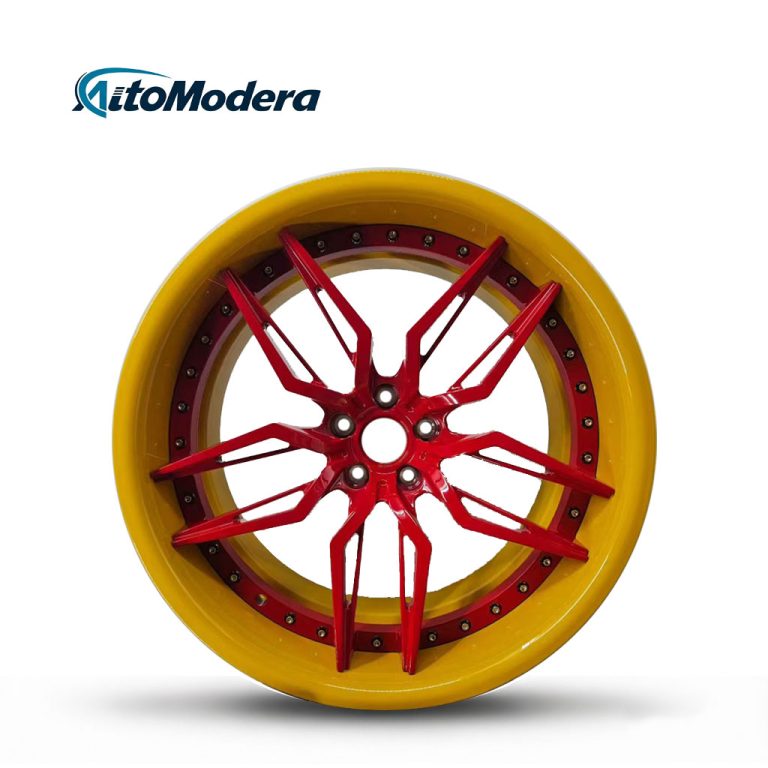
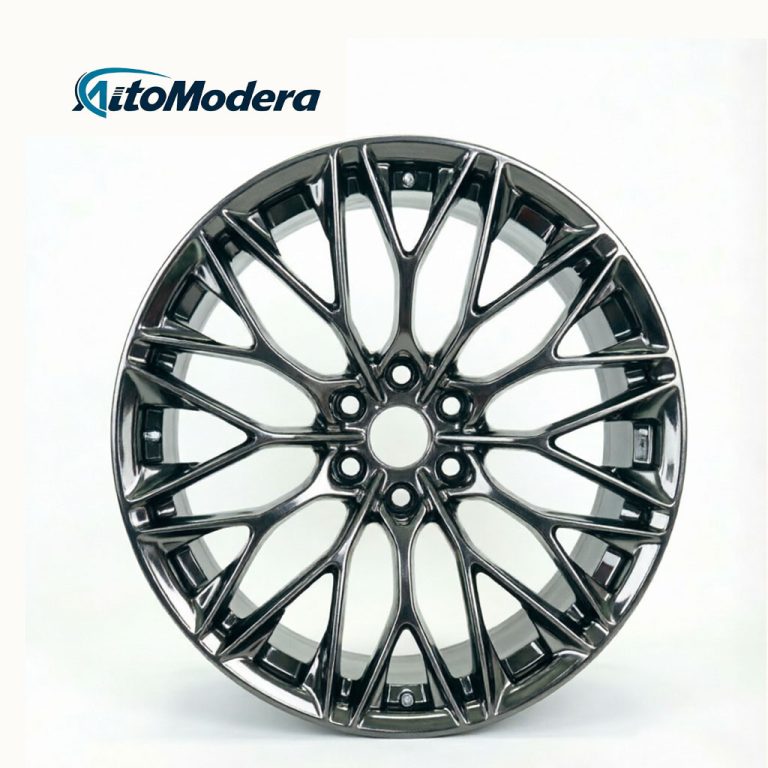
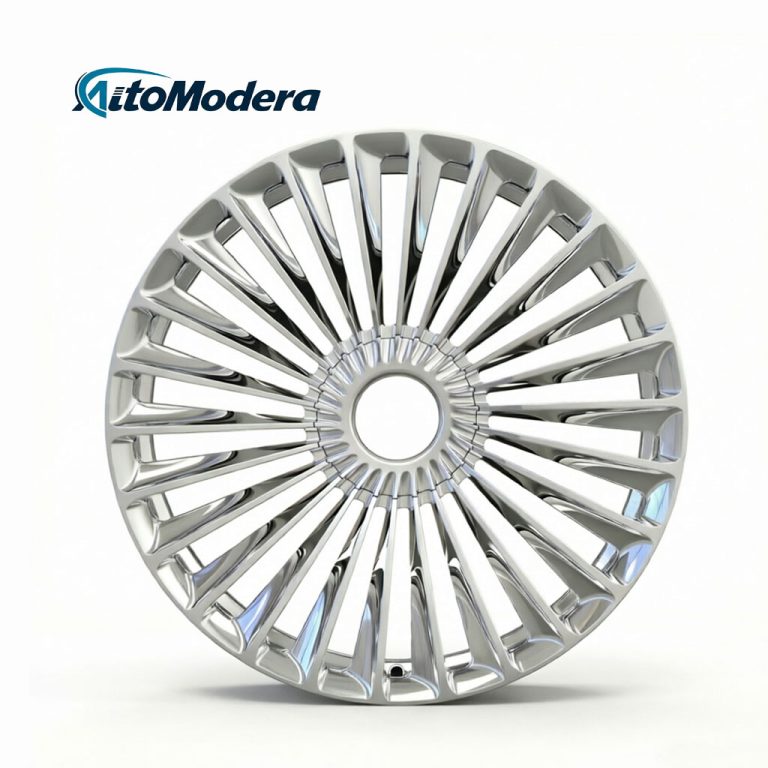
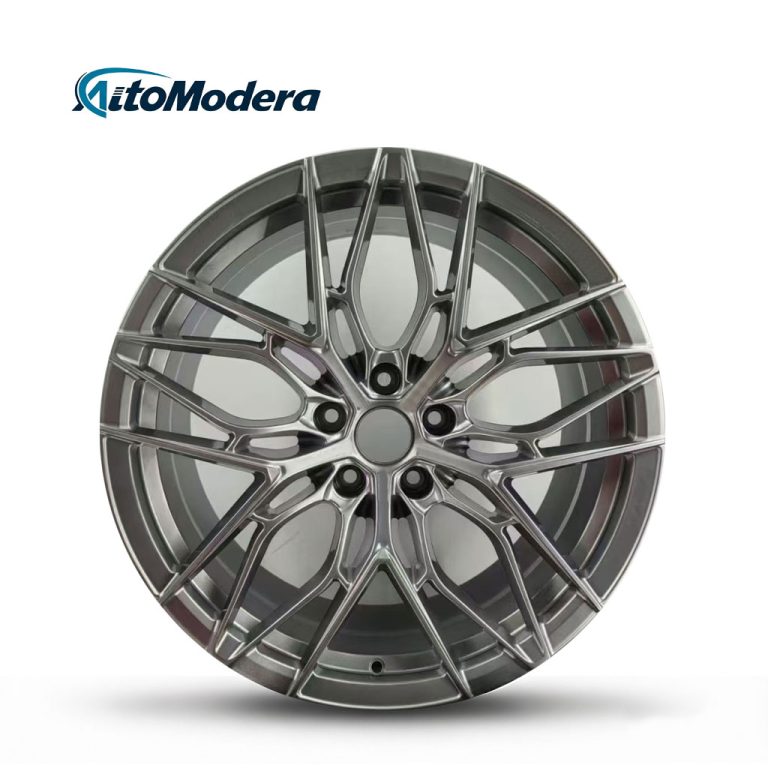
The Science and Style Behind Car Wheels
Often called “rims” in everyday talk, a wheel is actually the entire metal structure that holds the tire. The rim is specifically the outer edge that secures the tire bead. Wheels are a critical bridge between your car and the road, affecting safety, performance, and style.
1. Materials: Strength vs. Weight
Wheels are primarily made from two materials:
- Alloy Wheels: The most common today. Made from aluminum or magnesium alloys, they are lighter than steel. This “unsprung weight” reduction improves handling, acceleration, braking, and fuel economy. They also dissipate heat from brakes better and offer more design versatility.
- Steel Wheels: Made from stamped steel, they are heavier, cheaper, and extremely durable. Often found on base models, winter tire sets, or commercial vehicles. They’re usually hidden by plastic hubcaps.
2. Manufacturing: How They’re Made
- Casting: Molten alloy is poured into a mold. It’s cost-effective and allows for complex designs. Most factory alloy wheels are cast.
- Forging: A solid block of alloy is pressed under immense pressure. This creates a denser, stronger, and lighter wheel. Forged wheels are high-performance and more expensive.
3. Key Parameters: The Numbers Game
Every wheel has specifications, often stamped on the back:
- Diameter: The wheel’s size in inches (e.g., 17″).
- Width: The distance between the inner and outer rims, in inches (e.g., 7.5J).
- Bolt Pattern (PCD): The number of bolts and the circle they form (e.g., 5×114.3 means 5 bolts on a 114.3mm circle).
- Offset (ET): The distance from the wheel’s mounting surface to its centerline. It determines how far the wheel sits in or out of the wheel well. Wrong offset can cause rubbing or handling issues.
- Center Bore: The hole in the center. A perfect match with the car’s hub ensures vibration-free driving.
4. Style & Design
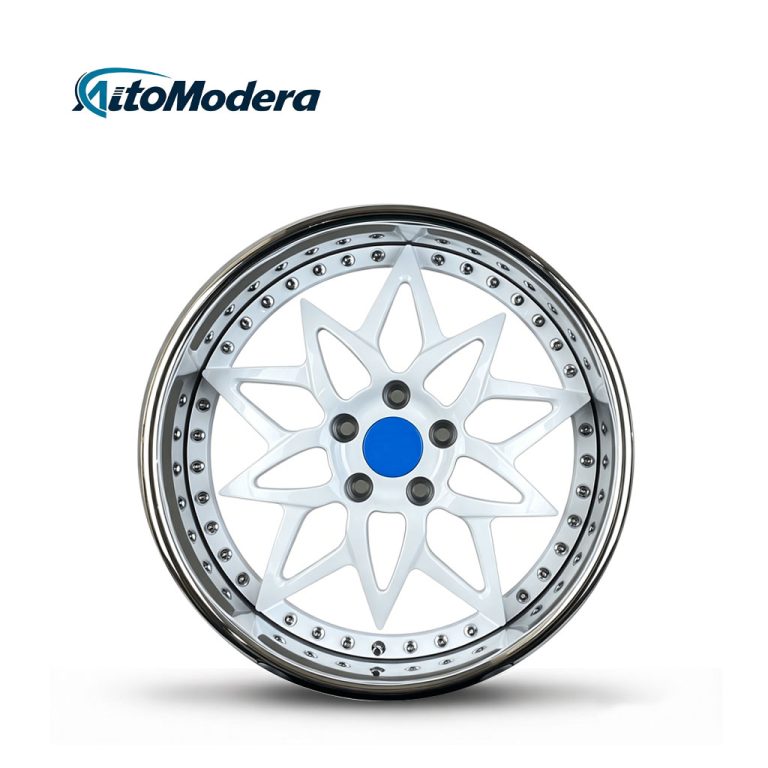
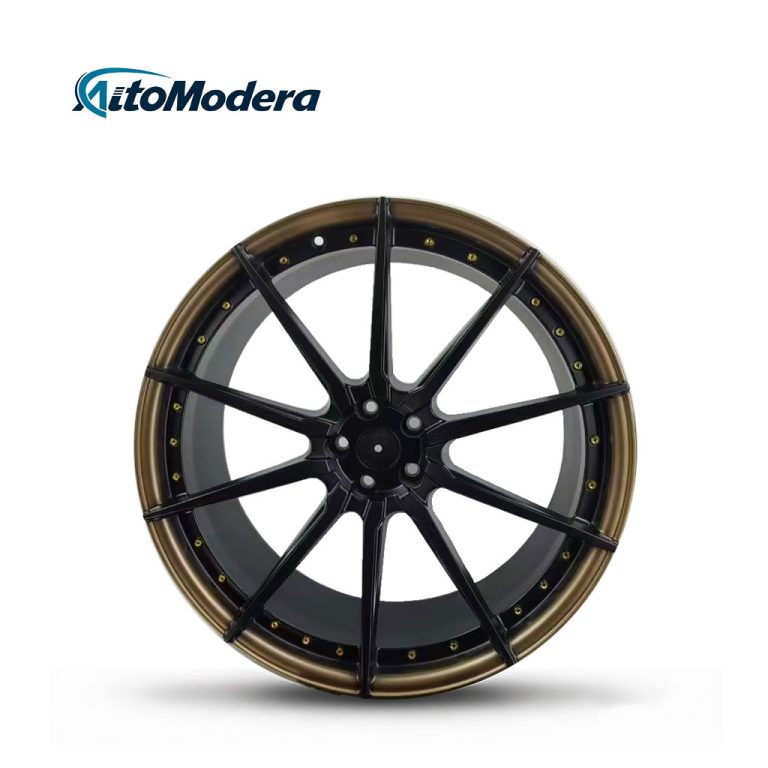
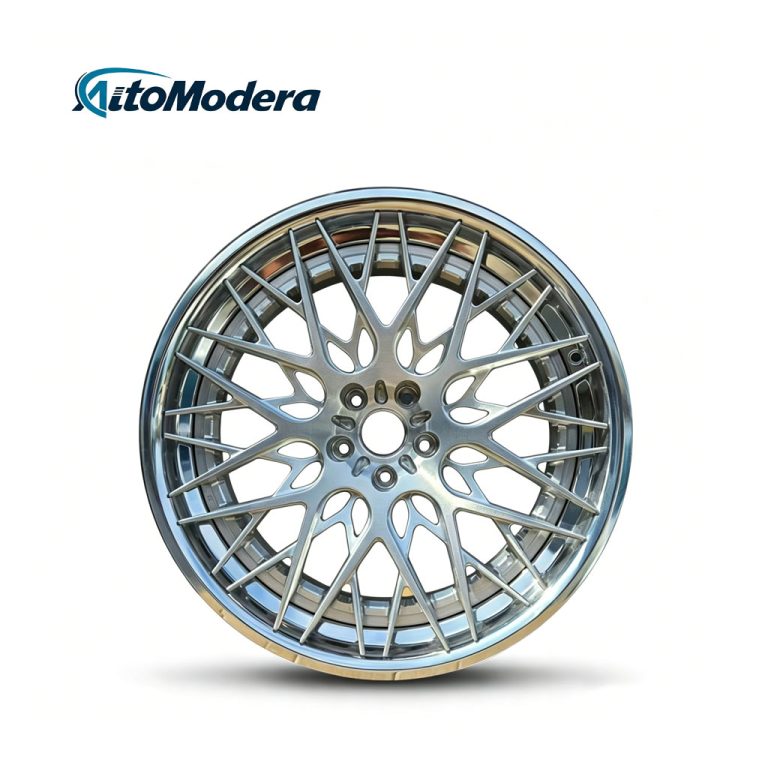
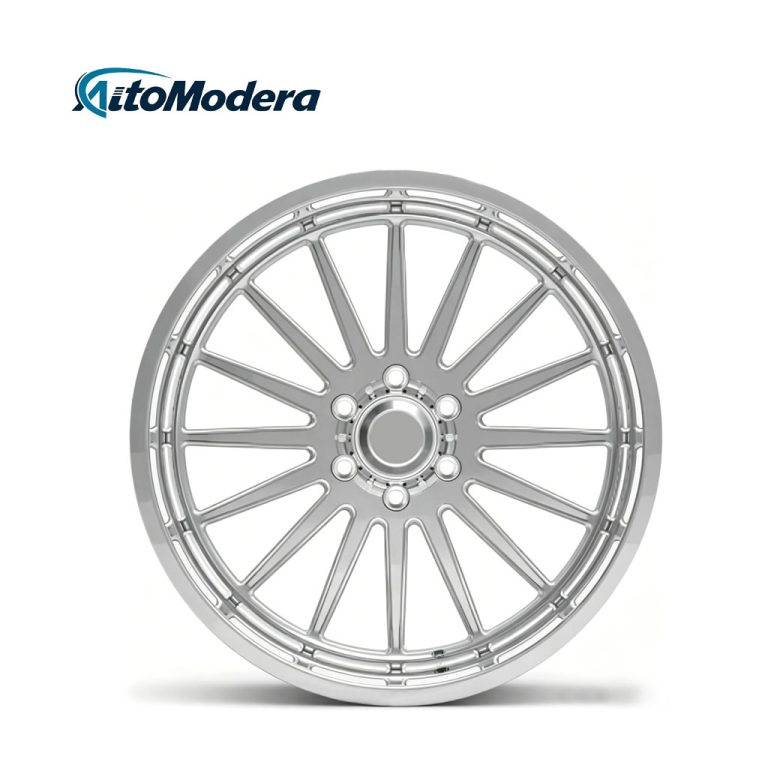
From sleek multispoke designs to classic steelies, wheel design is a major styling element. “Plus-sizing”—fitting larger wheels with lower-profile tires—is popular for a sportier look, but can sometimes sacrifice ride comfort.
5. Care and Maintenance
- Regularly clean wheels with a pH-balanced cleaner to remove brake dust, which can corrode the finish.
- Check for cracks, bends, or significant corrosion, especially after hitting potholes.
- Ensure proper torque when installing wheels. Overtightening or uneven tightening can warp brake rotors.
Conclusion: Wheels are far more than just aesthetics. The right wheel enhances your car’s performance and safety, while the wrong one can be dangerous. Always consult a specialist to ensure any new wheels match your vehicle’s specifications perfectly.
Pro Tip: You can find your car’s original wheel specifications in the owner’s manual or on a sticker inside the driver’s door jamb.